prevena plus 125 instruction manual
Prevena Plus 125 Instruction Manual: A Comprehensive Guide
Welcome! This manual provides essential guidance for utilizing the Prevena Plus 125 system‚ ensuring optimal incision care and a smooth therapeutic experience.
Carefully review all sections to understand proper setup‚ operation‚ maintenance‚ and safety protocols for your Prevena therapy unit‚ as directed by your physician.
The Prevena Plus 125 system represents a significant advancement in incision management‚ offering a proactive approach to wound healing following surgical procedures. This system‚ chosen by your doctor‚ utilizes Negative Pressure Wound Therapy (NPWT) to create an optimal environment for recovery.
It’s designed to help minimize the risk of complications‚ such as surgical site infections‚ and promote faster healing times. Understanding the core principles of the Prevena Plus 125 is crucial for successful therapy.
This guide will walk you through each step‚ from initial setup and operation to ongoing maintenance and safety considerations. Remember to always follow your healthcare provider’s specific instructions‚ as they are tailored to your individual needs. Keeping the therapy unit safe‚ avoiding kinks in the tubing‚ and understanding showering guidelines are key aspects of proper care.
The Prevena Plus 125 is a valuable tool in your recovery journey.
What is the Prevena Plus 125?
The Prevena Plus 125 is a portable‚ self-contained therapy unit designed for closed incision management. It’s a sophisticated system that applies controlled negative pressure to the wound area‚ drawing away excess fluids and promoting a healthier healing environment. This differs from traditional wound care methods by actively managing the incision site.
Essentially‚ it creates a sealed environment‚ reducing the risk of bacterial contamination and minimizing dead space where infections can thrive. The system is comprised of the therapy unit itself‚ specialized dressings‚ and connecting tubing.
Your doctor selected Prevena Therapy specifically for your needs‚ recognizing its potential to improve outcomes. It’s important to understand that the Prevena Plus 125 is not simply a bandage; it’s an active therapy system requiring careful attention to ensure optimal performance and safety. Maintaining a safe location for the unit is vital.
Key Components of the System
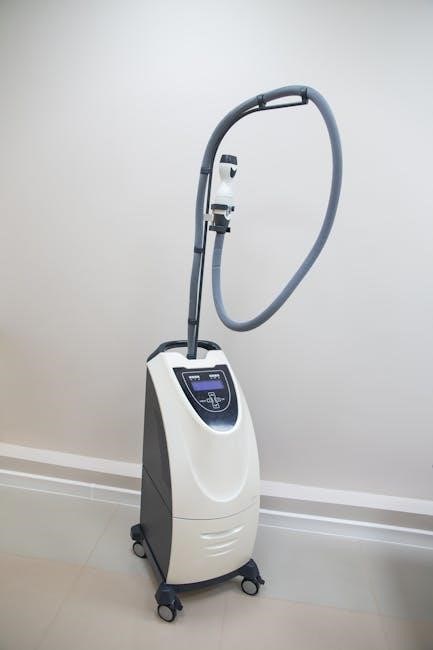
The Prevena Plus 125 system consists of several crucial components working in harmony. First‚ the Therapy Unit itself – a portable device delivering controlled negative pressure. Secondly‚ the Dressing‚ a specialized‚ multi-layered construct applied directly to the incision‚ creating a sealed environment.
Connecting Tubing links the dressing to the therapy unit‚ facilitating the suction process. It’s vital to ensure this tubing remains free from kinks or pinches to maintain effective therapy. The system also includes collection reservoirs within the dressing to gather wound fluids.
Understanding each component’s role is essential for proper operation and maintenance. Regularly inspect the tubing for integrity and ensure the unit is positioned securely to prevent accidental disconnections or damage. Proper care of these components directly impacts the effectiveness of your Prevena therapy.
Setting Up Your Prevena Plus 125
Preparation is key! This section details the initial steps for setting up your Prevena Plus 125 system‚ ensuring correct functionality and optimal therapeutic results.
Initial Inspection of the Therapy Unit
Before first use‚ a thorough inspection of the Prevena Plus 125 therapy unit is crucial. Carefully examine the unit for any visible signs of damage incurred during shipping or handling. This includes checking the casing for cracks‚ dents‚ or breaks.
Verify that all ports and connectors are intact and free from obstructions. Ensure the power cord is undamaged and the plug is secure. Confirm the unit powers on without issue‚ observing the display screen for clarity and proper illumination.
Inspect the tubing connections for any kinks or pinches that could compromise therapy. A safe placement is vital – avoid locations where the unit could be easily pulled‚ dropped‚ or exposed to liquids. Proper initial inspection guarantees optimal performance and patient safety.
Connecting the Tubing
Proper tubing connection is essential for effective Prevena Plus 125 therapy. Begin by ensuring the therapy unit is powered off. Gently connect one end of the provided tubing to the designated port on the unit‚ ensuring a secure and airtight seal.
The other end of the tubing will connect to the dressing applied to the incision site. Confirm this connection is also secure‚ preventing any potential leaks in negative pressure.
Carefully inspect the entire length of the tubing‚ verifying there are no kinks‚ twists‚ or obstructions that could impede fluid drainage or pressure delivery. Avoid placing the tubing in a position where it could be pinched or compressed. A correctly connected tubing system is vital for optimal wound healing.
Powering On and Basic Operation
Initiating the Prevena Plus 125 therapy unit is straightforward. First‚ ensure the tubing is securely connected to both the unit and the wound dressing. Then‚ locate the power button – typically indicated by a universal power symbol – and press it to activate the device.
The unit will undergo a brief self-check‚ indicated by lights or audible tones. Once operational‚ the display will illuminate‚ showing key therapy parameters. Familiarize yourself with the alarm indicators and their meanings.
The Prevena Plus 125 is designed for continuous operation. Keep the unit in a safe location‚ away from potential hazards like liquids or accidental impacts. Regular monitoring of the display ensures consistent and effective therapy.
Using the Prevena Plus 125 for Incision Management
Effective wound care is key! The Prevena Plus 125 utilizes Negative Pressure Wound Therapy (NPWT) to promote healing of appropriate incision types‚ as determined by your doctor.
Understanding Negative Pressure Wound Therapy (NPWT)
Negative Pressure Wound Therapy (NPWT)‚ the core principle behind the Prevena Plus 125 system‚ involves applying controlled levels of suction to the wound area. This innovative approach significantly enhances the healing process through multiple mechanisms.
Firstly‚ NPWT gently removes excess wound fluid – exudate – and infectious material‚ creating a cleaner‚ more optimal wound environment. Secondly‚ it promotes increased blood flow to the wound bed‚ delivering vital oxygen and nutrients essential for tissue regeneration.
Furthermore‚ NPWT encourages granulation tissue formation‚ the building block of new tissue‚ and helps to reduce edema‚ minimizing swelling around the incision. By consistently applying this controlled negative pressure‚ the Prevena Plus 125 system supports faster healing and potentially reduces the risk of complications. It’s a clinically proven method for improved wound management.
Appropriate Wound Types for Prevena Plus 125
The Prevena Plus 125 system is specifically designed for closed incision management‚ meaning it’s best suited for wounds that have been surgically closed. It’s particularly effective in minimizing the risk of surgical site infections (SSIs) and promoting optimal healing in these cases.
Appropriate wound types include post-operative incisions following various surgical procedures‚ such as abdominal surgeries‚ orthopedic procedures‚ and general surgical repairs. It can also be used on incisions at high risk of complications‚ like those in patients with diabetes or obesity.
However‚ the Prevena Plus 125 is not intended for open wounds‚ heavily exudating wounds‚ or wounds with exposed bone or tendon. Your healthcare provider will determine if the Prevena Plus 125 is the right choice for your specific wound type and healing needs.
Applying the Dressing
Proper dressing application is crucial for effective therapy with the Prevena Plus 125. Begin with a thoroughly cleansed and dried incision site‚ following your healthcare provider’s specific instructions. Carefully apply the provided Prevena dressing‚ ensuring a complete seal around the incision.
The dressing typically consists of a soft‚ absorbent layer and an adhesive outer layer. Avoid wrinkles or creases in the dressing‚ as these can compromise the negative pressure seal. Connect the tubing securely to the dressing‚ ensuring a tight and leak-proof connection.
Finally‚ connect the tubing to the Prevena Plus 125 therapy unit. Your clinician will demonstrate the correct technique and verify the seal before initiating therapy.
Maintaining Your Prevena Plus 125 System
Regular maintenance ensures optimal performance and longevity of your Prevena Plus 125 unit. Cleaning‚ troubleshooting‚ and proper battery care are essential components.
Cleaning the Therapy Unit
Maintaining a clean therapy unit is crucial for preventing infection and ensuring proper functionality of your Prevena Plus 125 system. Always disconnect the unit from the power source before initiating any cleaning procedures.
Use a soft‚ slightly damp cloth to gently wipe down the exterior surfaces of the unit. Avoid using harsh chemicals‚ abrasive cleaners‚ or excessive moisture‚ as these can damage the device. Pay particular attention to areas that may come into contact with the wound or dressing.
The tubing connectors should be inspected regularly for debris and cleaned with a sterile wipe if necessary. Ensure all components are completely dry before reconnecting them to the therapy unit. Do not immerse the unit in water or any other liquid.
Follow these cleaning guidelines consistently to maintain a hygienic and effective therapy environment‚ contributing to optimal wound healing and patient safety.
Troubleshooting Common Issues
Encountering issues with your Prevena Plus 125? Here’s guidance for resolving common problems. If the unit doesn’t power on‚ verify the power cord connection and battery charge. An alarm may indicate a leak in the tubing – inspect connections and the dressing seal.
If the unit displays an error message‚ consult the full instruction manual for specific code definitions. Kinked or pinched tubing can obstruct suction; gently straighten the tubing to restore flow. Ensure the therapy unit is placed on a stable surface to avoid disruptions.
If issues persist‚ do not attempt self-repair. Contact your healthcare provider or the manufacturer’s support line for assistance. Document any error messages or observed issues to aid in diagnosis and resolution.
Promptly addressing these concerns ensures continued effective therapy and optimal wound healing.
Battery Management and Replacement
Optimizing battery life is crucial for uninterrupted Prevena Plus 125 therapy. Regularly check the battery level indicator on the therapy unit. Avoid fully discharging the battery‚ as this can reduce its lifespan. When the unit is not in use for extended periods‚ store it with a partially charged battery.
To replace the battery‚ ensure the unit is powered off and disconnected from the power source. Follow the manufacturer’s instructions detailed in the full manual for safe battery removal and installation. Use only approved replacement batteries to maintain device performance and safety.
Dispose of used batteries responsibly‚ following local regulations for battery recycling. A healthy battery ensures consistent negative pressure and reliable therapy delivery.
Contact customer support if you experience rapid battery drain or difficulty with battery replacement.
Safety Precautions and Considerations
Prioritize safety! Understand contraindications‚ potential complications‚ and shower guidelines as directed by your doctor for optimal Prevena Plus 125 therapy outcomes.
Contraindications for Use
Important Considerations: The Prevena Plus 125 system is not suitable for all patients. Certain medical conditions and wound characteristics preclude its safe and effective use.
Specifically‚ the system should not be applied to wounds exhibiting untreated osteomyelitis‚ exposed bone or tendon‚ necrotic tissue with eschar‚ or significant sinus tracts. Patients with known allergies to adhesive components within the dressing should also avoid using this system.
Furthermore‚ the Prevena Plus 125 is contraindicated in cases of uncontrolled coagulation disorders or active hemorrhage. Deeply invasive wounds extending into body cavities require careful evaluation and may not be appropriate for NPWT.
Always consult with a healthcare professional to determine if Prevena Plus 125 therapy is the right choice for your specific wound and medical history. Ignoring these contraindications could lead to adverse events and impede the healing process.
Potential Complications
Awareness is Key: While Prevena Plus 125 therapy is generally safe‚ potential complications can occur. Vigilant monitoring and prompt reporting to your healthcare provider are crucial.
Common complications include skin irritation or maceration around the wound edges due to the dressing’s adhesive properties. Infection is a risk with any open wound‚ so watch for signs like increased pain‚ redness‚ swelling‚ or pus.
Bleeding‚ both under the dressing and from the wound itself‚ can sometimes occur. In rare cases‚ the therapy may disrupt wound healing or cause a fistula formation. Allergic reactions to the dressing materials are also possible‚ though uncommon.
Regularly inspect the wound and surrounding skin. Immediately report any concerning changes to your doctor to ensure timely intervention and optimal healing outcomes.
Showering with the Prevena Plus 125
Maintaining Hygiene: A quick‚ light shower may be permissible while using the Prevena Plus 125 system‚ but only if explicitly approved by your doctor. It’s vital to confirm this with your healthcare provider first‚ as individual circumstances vary.
When showering is allowed‚ protect the therapy unit from direct water exposure. Avoid prolonged or forceful water streams. Gently cleanse the skin around the dressing with mild soap and water‚ being careful not to dislodge or saturate the dressing.
After showering‚ pat the area dry with a soft towel. Ensure the tubing connections remain secure and dry. Never submerge the therapy unit in water. Always follow your doctor’s specific instructions regarding showering frequency and duration.
Prioritize keeping the system dry to maintain its functionality and prevent potential complications.
Advanced Features and Settings
Explore Capabilities: This section details adjustable therapy settings‚ alarm interpretations‚ and methods for monitoring your healing progress with the Prevena Plus 125.
Adjusting Therapy Settings (If Applicable)
Personalized Therapy: While the Prevena Plus 125 is often pre-programmed by your healthcare provider‚ some models may allow for limited adjustments to therapy parameters. Always consult with your doctor or wound care specialist before attempting any changes.
Potential adjustable settings could include therapy pressure levels‚ intermittent or continuous suction modes‚ and dwell times. These adjustments are tailored to individual wound characteristics and healing progress. Incorrect settings can hinder healing or cause complications.
Caution: Never exceed the pressure levels prescribed by your clinician. Monitor the wound site closely for any adverse reactions after a setting change. Document all adjustments made and report any concerns to your healthcare team immediately. Unauthorized modifications void the warranty and may compromise your treatment.
Refer to the full clinician’s manual for detailed instructions on accessing and modifying settings‚ if applicable to your specific Prevena Plus 125 unit.
Alarm Functions and Interpretation
System Alerts: The Prevena Plus 125 incorporates several alarm functions to alert you to potential issues during therapy. Understanding these alarms is crucial for maintaining effective treatment and ensuring patient safety.
Common alarms include low pressure‚ occlusion (blockage in the tubing)‚ low battery‚ and system malfunction. Each alarm is accompanied by a visual and audible signal. The display screen will typically indicate the specific alarm type.
Troubleshooting: A low-pressure alarm may indicate a leak in the system; check all connections. An occlusion alarm suggests a kinked or blocked tube – gently straighten or replace the tubing. A low battery alarm prompts immediate charging or battery replacement.
Never ignore an alarm. Consult the troubleshooting section of this manual or contact your healthcare provider if you are unsure how to address an alarm. Document all alarm events and resolutions.
Monitoring Therapy Progress
Consistent Observation: Regularly assess your incision site while using the Prevena Plus 125. Note any changes in wound appearance‚ such as increased redness‚ swelling‚ drainage‚ or pain. Document these observations for your healthcare provider.
Dressing Evaluation: Check the dressing under the Prevena film periodically‚ without fully removing the system‚ to ensure it remains intact and appropriately moist. Avoid disturbing the wound bed unnecessarily.
Therapy Adherence: Maintaining consistent therapy settings‚ as prescribed by your doctor‚ is vital for optimal healing. Ensure the unit operates continuously‚ and address any alarms promptly to avoid interruptions.
Follow-up Appointments: Attend all scheduled follow-up appointments with your healthcare provider. They will evaluate your progress and adjust the therapy plan as needed. Report any concerns or questions you may have.
Clinician-Specific Instructions
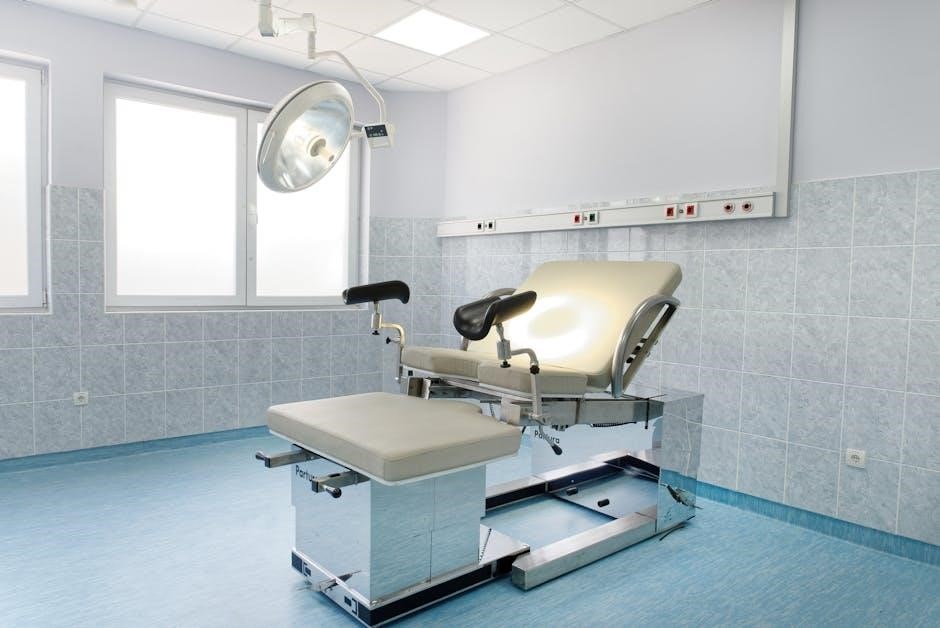
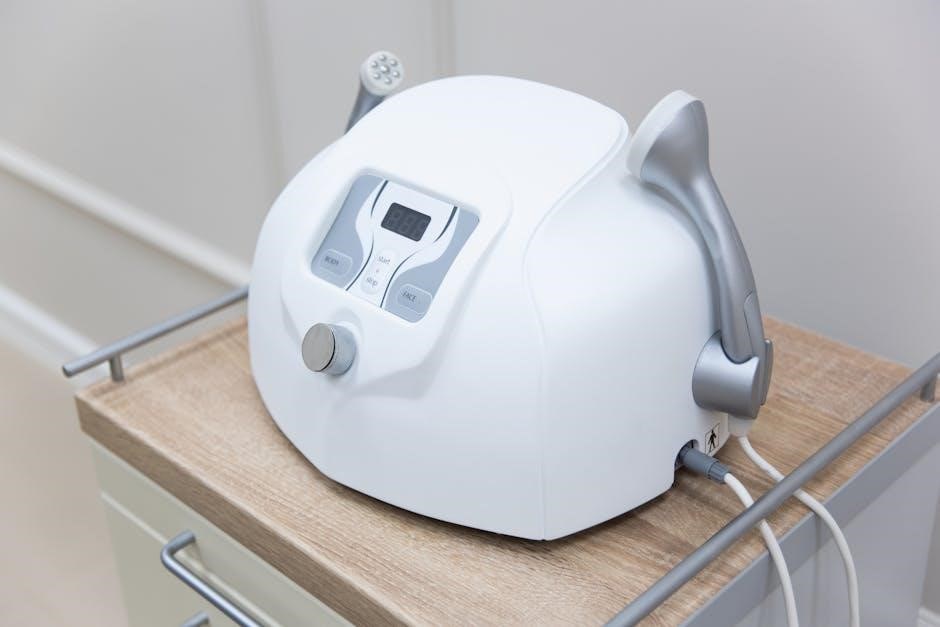
Critical Assessment: Thoroughly verify the Prevena 125 unit’s normal operation before and during patient therapy; re-orient or relocate if performance is abnormal.
Verifying Normal Operation of the 125 Unit
Initial System Check: Before initiating therapy‚ clinicians must meticulously verify the Prevena Plus 125 unit is functioning correctly. Begin by visually inspecting the unit for any physical damage‚ ensuring all connections are secure and intact.
Power-On Sequence: Power on the device and observe the display screen for clear illumination and proper initialization. Confirm the unit successfully completes its self-test sequence without displaying any error messages. Listen for the normal operational sounds of the pump‚ indicating proper motor function;
Pressure Verification: Utilize a calibrated pressure gauge to validate the accuracy of the negative pressure settings. Ensure the delivered pressure aligns with the prescribed therapy parameters. Monitor the pressure readings throughout the therapy cycle to confirm consistent performance.
Alarm Functionality: Test all alarm functions – high and low pressure‚ occlusion‚ and battery level – to ensure they activate appropriately and audibly alert personnel to potential issues. Document all verification steps in the patient’s medical record.
Re-orienting or Relocating the Unit
Maintaining Therapy Continuity: Should the need arise to re-orient or relocate the Prevena Plus 125 therapy unit‚ clinicians must prioritize uninterrupted negative pressure therapy. Avoid any abrupt movements that could disrupt the established pressure settings or compromise the wound dressing seal.
Careful Handling: Gently lift and move the unit‚ ensuring the tubing remains free from kinks‚ pinches‚ or excessive tension. Securely reposition the unit in a stable location‚ preventing accidental dislodgement or falls. Verify the tubing’s pathway is clear and unobstructed.
Post-Relocation Verification: Following relocation‚ immediately re-verify the unit’s normal operation‚ as outlined in the verification protocol. Confirm the pressure settings remain accurate and the alarm functions are responsive. Document the relocation event and subsequent verification in the patient’s chart.
Patient Comfort: Throughout the process‚ maintain patient comfort and explain the reason for the unit’s repositioning. Address any concerns or questions the patient may have regarding the relocation.
Documentation and Reporting
Comprehensive Record Keeping: Meticulous documentation is crucial when utilizing the Prevena Plus 125 system. Clinicians must accurately record all relevant therapy details in the patient’s medical record‚ including initial assessment findings‚ dressing application dates and times‚ and any observed wound characteristics.
Therapy Parameter Logging: Document the specific therapy settings employed – pressure levels‚ therapy duration‚ and any adjustments made throughout the treatment course. Record any alarms triggered by the unit‚ along with the corresponding interventions implemented.
Adverse Event Reporting: Any adverse events or complications experienced by the patient during Prevena therapy must be promptly documented and reported according to institutional protocols. This includes skin irritation‚ infection signs‚ or device malfunctions.
Treatment Progress Notes: Regularly update the patient’s chart with progress notes detailing wound healing progression‚ dressing changes‚ and overall therapy effectiveness. This detailed record supports informed clinical decision-making.